Gold buyers pay based on three things: the karat, the weight, and the current spot price of gold. Every legitimate buyer calculates from those three factors. Offers that fall short almost always involve errors in one, typically the karat assumed rather than tested, or the weight measured without separating non-gold components.
At Abercrombie’s gold-buying team, we test the metal professionally to confirm the karat before any calculations. We weigh the piece on a precision scale, check the live spot price, and build the offer from those confirmed numbers. We’ve been doing it this way since 1989. Our Abercrombie buying team explains every part of the calculation before you decide anything, so you understand what’s driving the number and why.
The Three Factors That Determine Every Gold Offer
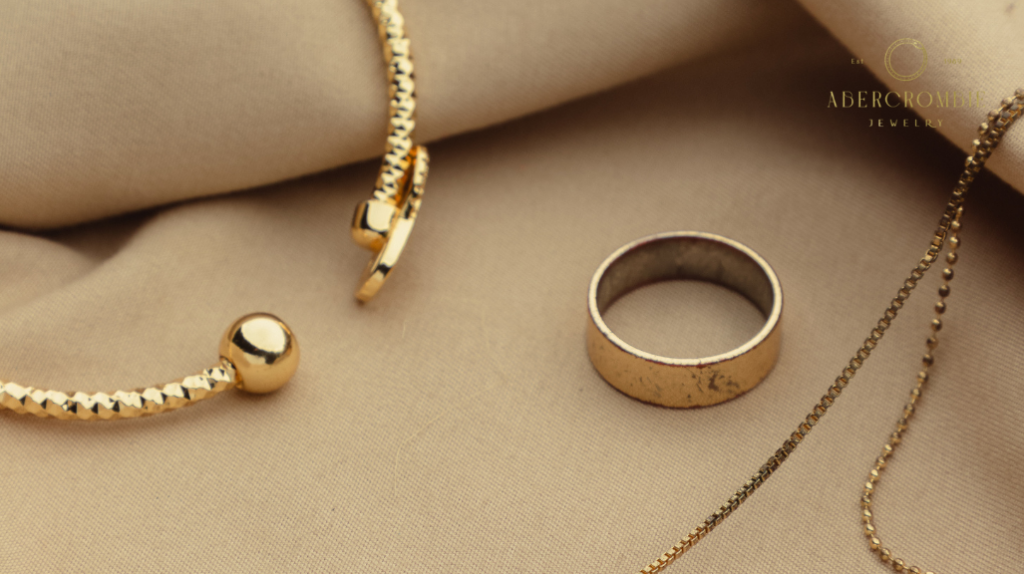
Karat is the percentage of pure gold in the piece. 24K is pure gold. 18K is 75% gold. 14K is 58.5% gold. 10K is 41.7% gold. Most jewelry in the U.S. is 10K, 14K, or 18K. The higher the karat, the more gold content per gram, and the higher the offer per gram.
The karat stamps on jewelry, 417, 585, 750, correspond to the gold content. Our gold evaluation specialists, who test every piece professionally rather than relying solely on stamps, provide you with a confirmed reading before the offer is built. Stamps can be worn, altered, or misread. Testing eliminates that uncertainty.
Weight is the total mass of the piece measured in grams or troy ounces. Not all of that weight is gold. A ring with a large gemstone has the stone’s weight included in the total, but the stone isn’t gold. Our buyers weigh pieces carefully and adjust for non-gold components where relevant.
Spot price is the current market price of gold per troy ounce, which changes daily. Any legitimate gold buyer uses today’s spot price, not last week’s or last month’s. We check live pricing before every evaluation so the offer reflects current market conditions.
What Percentage of Spot Price Do Gold Buyers Pay?
Gold buyers don’t pay the full spot price. They pay a percentage of it; the exact percentage depends on the buyer, the quantity, and whether the piece has any value beyond its gold content.
A fair offer from a reputable specialty buyer tends to run higher than what a pawn shop or generic scrap dealer offers, because specialty buyers have lower overhead and longer holding periods. The percentage isn’t fixed; it moves with the volume, the type of piece, and the current market.
What you should never accept is an offer that isn’t explained. If a buyer gives you a number without showing you the karat confirmation, the weight, and the spot price calculation, you don’t know what you’re being paid for. At our showroom, we show you every component before you decide.
When Gold Is Worth More Than Its Melt Price
Not all gold sells at melt value. Some pieces carry premiums above the raw gold content.
Designer and signed pieces, as well as gold jewelry from Tiffany, Cartier, Van Cleef, and similar makers, often carry collector value that exceeds the melt price. We note makers’ marks during evaluation and factor them in. Our inherited collection team, who regularly assess designer pieces from Austin estate lots, knows the difference between a generic gold chain and a signed piece with collector appeal.
Gold coins, certain pre-1933 U.S. gold coins, and foreign gold coins carry numismatic premiums above their gold content. A common-date coin typically sells near melt. A key-date coin in strong grade can sell for multiples of that. Our coin evaluation specialists, who evaluate numismatic value alongside melt for every gold coin, ensure you’re not leaving that premium behind.
Vintage and antique gold, period goldwork from the Victorian, Edwardian, or Art Deco eras sometimes carries design value above the metal content: our period jewelry specialists and our period antique specialists assess era-specific collector demand where applicable.
What Doesn’t Affect the Gold Offer
A few things clients often assume matter, but don’t significantly change the core calculation:
Condition, surface scratches, and everyday wear don’t reduce the value of a gold offer because the gold itself is unchanged. Structural damage, such as cracks or missing sections, reduces the total weight, which affects the offer, but that’s a weight effect, not a condition penalty.
Age, old gold, and new gold of the same karat are worth the same per gram. Age matters when a piece has collector or period value, which is assessed separately.
Original purchase price, what you paid for a piece, has no bearing on what it’s worth today. Gold prices change; retail markups don’t carry over to resale; and the calculation starts fresh using current market data.
How to Prepare Before You Sell
You don’t need to prepare much before visiting. Don’t clean or polish gold pieces before your evaluation; cleaning can remove evidence of period authenticity on older pieces, which may reduce the offer if the piece has collector value. Bring the pieces as they are.
If you have any documentation, original purchase receipts, prior appraisals, or certificates, bring those along. They help specifically with signed and designer pieces. For plain gold jewelry, documentation doesn’t significantly change the offer.
If you have mixed metals, gold alongside silver or platinum, our sterling silver team and our platinum evaluation team will evaluate all metals in the same appointment. You don’t need to separate anything before you come in.
For clients selling gold alongside diamond jewelry, our GIA-trained diamond evaluators handle stone evaluation in the same session. For engagement rings specifically, our ring evaluation team separates the stone value from the gold mounting so you understand both.
Should You Sell Gold Outright or Consign It?
For most gold jewelry, an immediate, outright sale is the right path. Gold is priced at melt, the calculation is straightforward, the offer is clear the same day, and payment is immediate. Waiting rarely yields a meaningfully better outcome because spot prices fluctuate daily, and holding doesn’t guarantee a better market.
Consignment makes sense for gold pieces in which the design or maker adds value beyond the melt price. A signed Tiffany gold bracelet, a documented Art Deco gold ring with period character, or a rare designer piece with collector demand may perform better through our consignment program, which places pieces in our showroom and connects them with buyers specifically looking for that type of piece. We’ll tell you during the evaluation whether your gold is a consignment candidate or whether an outright offer is the better path. For most gold jewelry, rings, chains, bracelets, and estate gold, the immediate sale produces the same or better result. Consignment makes the most sense when the piece has collector value that an outright buyer might not fully recognize.
Gold Rings and Bridal Jewelry
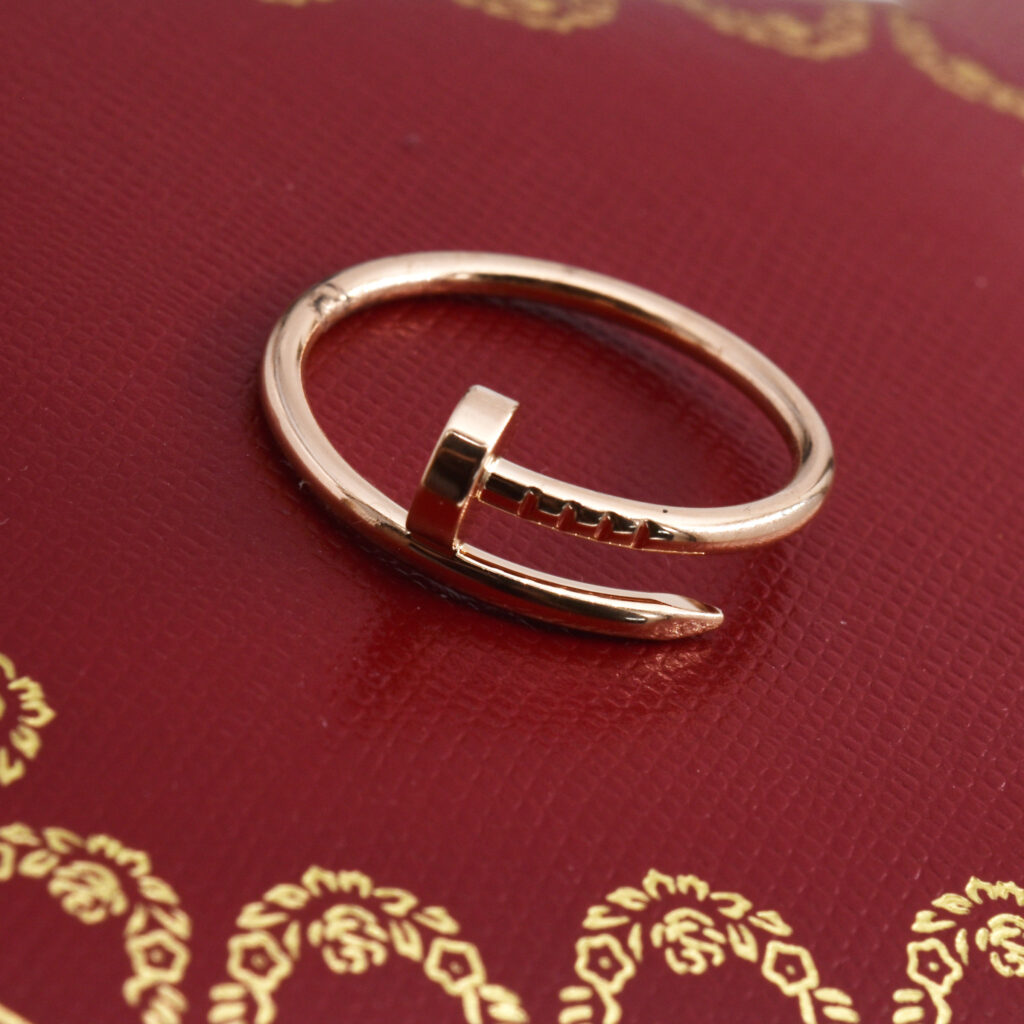
Gold rings, including wedding bands, engagement ring mountings, and anniversary rings, are among the most common gold pieces we purchase. The gold content of the mounting is evaluated separately from any stones; the ring’s total weight doesn’t determine the gold offer, only the metal portion does.
For clients selling a gold engagement ring or a diamond ring, our diamond ring evaluators assess the stone and the gold mounting separately and present both values before making any offer. For wedding bands specifically, our wedding ring buyers, who purchase gold and platinum bands in any condition, handle those alongside any other gold in the same appointment.
Gold jewelry in need of repair is still available for purchase. We don’t require pieces to be in wearable condition. A broken clasp, bent shank, or missing stone reduces the aesthetic and wearable value but not the gold content, and the offer reflects the confirmed metal weight regardless of condition.