Yes, most pawn shops will buy a ring with a missing diamond, but they’ll price it at metal value only. The setting, craftsmanship, and any remaining stones don’t factor into a pawn shop offer. Our Abercrombie’s ring desk, which evaluates every component that adds value, gives you a complete picture before any offer is made.
Why Pawn Shops Price at Metal Value

Pawn shops operate as generalist buyers, and we’re not criticizing that model. They purchase across hundreds of categories and can’t maintain deep expertise in any single one. For a ring with a missing center stone, the quick path is the safe one: weigh the metal, confirm the karat, apply a percentage of melt, and offer that number. It’s fast and low-risk for the shop, but it consistently produces a lower offer for the seller than a specialist evaluation would.
The missing stone shifts the shop’s calculation entirely away from resale. A pawn shop might resell a complete diamond ring to a retail customer, but that’s not possible with a missing center stone. A ring with a missing center stone doesn’t have an obvious retail buyer for the pawn shop, so it becomes scrap, and the offer reflects that.
That’s the core reason to consider a specialist buyer before heading to a pawn shop with a damaged ring. The outcome isn’t always dramatically different, and we’ll tell you honestly if it isn’t. Sometimes, a piece really is worth only its metal, but a proper evaluation tells you which category you’re in before you accept an offer.
What a Ring with a Missing Diamond Is Actually Worth
The value depends on several factors that pawn shops typically don’t assess properly.
The metal content is the baseline. A 14K gold ring weighing 5 grams has a gold melt value that can be calculated from the current spot price. A platinum ring with a platinum mounting has a platinum melt value. This number doesn’t change based on whether the center stone is present. Our gold mounting buyers, who calculate melt value based on confirmed karat and current spot prices, give you that baseline number immediately.
The mounting style matters for resale. A plain solitaire setting in good condition, with a secure Tiffany prong arrangement, is sellable as a mounting for someone who wants to reset a stone. A heavily worn or damaged mounting is scrap. We assess the setting’s condition and tell you which category you’re in.
Side stones add value if they’re intact and of quality. Many engagement rings have pavé accents, side baguettes, or halo diamonds surrounding the missing center stone. Those stones retain their value. Our loose stone buyers, who grade remaining diamonds under magnification before any offer, evaluate whatever stones are present regardless of what’s missing.
Period and antique value can exceed metal value significantly. An Art Deco platinum mounting with original milgrain and filigree work from the 1920s has collector demand, even with a missing center stone. A Victorian goldwork setting with intact engraving and original construction deserves evaluation against the period collector market, not just the melt price. Our ring restoration specialists, who evaluate period pieces before making any restoration or sale recommendations, assess collector value before presenting any offer.
Repair vs. Sell: What Makes Sense
A ring with a missing diamond presents a decision point: repair and keep, repair and sell, or sell as-is.
Repair and keep make sense when the ring’s got significant personal meaning, and the replacement stone cost is reasonable relative to the mounting’s value. Our stone replacement team, which sources replacement diamonds for resetting in existing mountings, can provide a realistic cost estimate to restore the ring to its original state. Sometimes that number’s lower than sellers expect, particularly for replacing smaller accent stones.
Repair and sell rarely makes financial sense for most rings. The cost of replacement plus the labor of setting rarely comes back in added resale value, particularly for standard engagement ring configurations. We can calculate this precisely: replacement cost versus the improved offer. In most cases, selling as-is is the better financial path, and we can show you why with the actual numbers.
Selling as-is is often the right answer. The metal value is real, the remaining stones have real value, and the mounting may have additional value beyond scrap. Our ring-buying specialists, who evaluate the mounting value alongside the stone and metal value, give you a complete picture before you decide on anything.
Why a Specialist Buyer Beats a Pawn Shop for This Situation
This is a situation that rewards going to the right buyer.
A pawn shop sees a broken piece and prices it accordingly. The margin they need to cover the risk of holding a damaged item is substantial.
We don’t see it that way. We evaluate the metal content directly. We grade whatever stones remain. We assess the mounting’s condition and style. We check whether the piece has any period collector value. We present each component separately and show you what drives the offer.
The difference isn’t always dramatic, but it’s consistently meaningful. For rings with remaining side stones, intact period mountings, or platinum construction, the difference between a metal-only offer and a proper evaluation offer can be significant.
Our Westlake buying team, which regularly evaluates damaged and incomplete rings, can tell you in a single appointment what the piece is worth and whether repair makes financial sense before you make any decision.
What to Bring
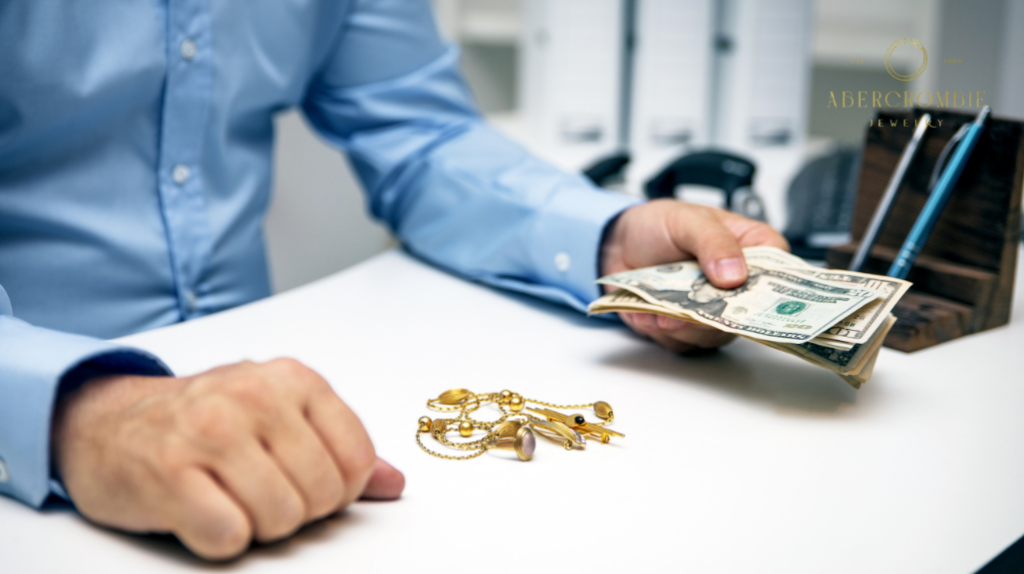
Bring the ring as-is. You don’t need to clean, repair, or research it before coming in. If you have any documentation, a prior appraisal, a GIA certificate for the original stone, or a jeweler’s receipt, bring them too, though they’re not required for an evaluation.
If the missing stone is somewhere in a drawer or in the original box, bring it. A loose diamond from the original ring has its own value evaluated separately, and sometimes it’s worth more than the mounting it came from. Our ring metal buying team, who handle loose stones and damaged mountings in the same appointment, evaluate each component independently.
If you have other jewelry to evaluate in the same session, bring that too. Many clients come in with a ring missing a stone, along with other pieces from the same estate or household, and we handle everything in a single appointment. Our inherited ring buyers, who regularly see collections that include damaged pieces alongside intact ones, evaluate the full collection without requiring separate appointments.
For platinum rings with missing diamonds, our platinum mounting buyers, who evaluate metal content separately from any stones, give you a clear platinum offer alongside the stone assessment.
What Happens When You Bring a Damaged Ring to Our Showroom
We regularly see rings with missing stones, and the process is the same as for any other piece. We start by identifying the metal and confirming the karat through testing. We weigh the mounting. We examine any remaining stones under magnification. We check whether the style, period, or condition warrants a value above melt. We present each component separately.
Most clients leave with a clear understanding of what their ring is worth, whether or not they decide to sell. That clarity costs nothing and takes 15 to 20 minutes. If you’ve been told by a pawn shop that a ring is worth only its metal, bring it in and let us check that assessment. Sometimes it’s accurate. Sometimes it isn’t.