Selling jewelry to a specialist buyer pays more than pawning it, and we mean that unequivocally. That’s not a close comparison; it’s a structural difference in how pawn shops and specialist buyers operate.
How Pawn Shops Work
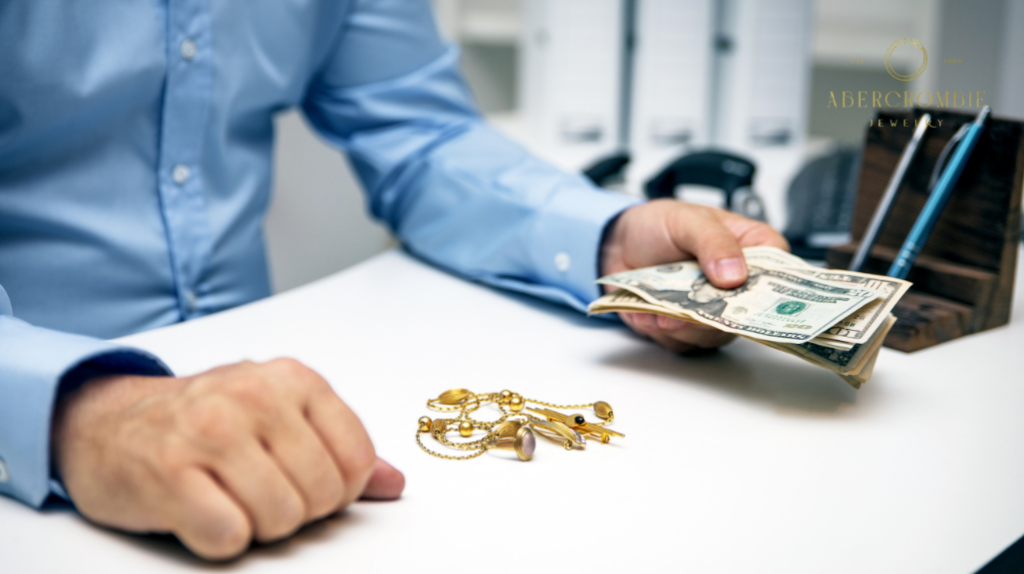
A pawn shop offers two transactions: a collateralized loan (pawning) or an outright purchase (selling). Understanding the business model explains why both produce lower outcomes for sellers than specialist buyers.
When you pawn jewelry, the shop gives you a loan using the piece as collateral, and the terms aren’t favorable. The loan amount is a fraction of what the shop would offer to buy the piece outright, which is itself a fraction of the piece’s actual value. You pay interest to reclaim the piece, typically at rates that are high by any standard. If you don’t reclaim it, the shop keeps the piece and sells it, leaving you with only a fraction of its value.
When you sell to a pawn shop rather than pawning, you receive more than the pawn loan amount but still significantly less than a specialist buyer would offer. Pawn shops need wide margins because they hold inventory across hundreds of categories, including furniture, electronics, musical instruments, and jewelry, with uncertain resale timelines in each. The margin they need on jewelry accounts for their uncertainty about when and how it sells.
A pawn shop’s offer on a 14K gold ring reflects their need to cover their carrying costs and the uncertainty of resale while still making a profit when they eventually sell it. A specialist buyer who specifically purchases gold and jewelry has much lower carrying costs for that category, faster turnover, and better knowledge of the resale market , all of which translate to better offers, and we see this difference play out regularly.
The Structural Difference in Outcomes
The difference between a pawn shop offer and a specialist jewelry buyer offer is consistently meaningful, not marginal.
On the value of precious metals alone, pawn shops typically offer 30 to 50 percent of melt value. Specialist buyers typically offer 75 to 90 percent of melt value for standard gold and silver jewelry. On a meaningful piece, that gap is significant.
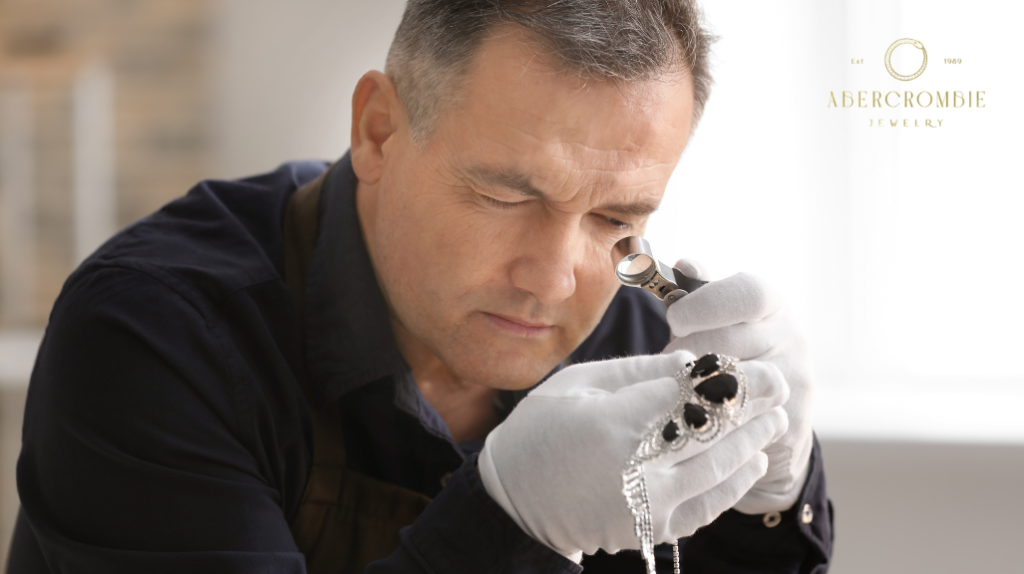
On diamonds and other stones, pawn shops often have limited grading expertise. They may assess a diamond at generic commercial quality rather than distinguishing between a well-cut, near-colorless stone and a heavily included lower-clarity stone. Our diamond grading team, who examine every stone under magnification and assess cut, color, clarity, and carat weight directly, give you an offer that reflects what the stone actually is rather than a blanket commercial estimate.
On antique and period jewelry, pawn shops price it at melt. A Victorian brooch in 18K gold or an Art Deco platinum ring with intact filigree has collector value above its material weight, and a pawn shop doesn’t capture that. Our period jewelry evaluation team, which prices antique pieces against current collector demand, gives you the full picture before any offer.
When Pawning Makes Sense
Pawning makes sense in one specific situation: you need cash immediately, and you fully intend to reclaim the piece within the loan period. If you have a short-term cash need, you’re confident you’ll have the funds to reclaim within the loan term, and the piece has significant personal value you don’t want to permanently lose, pawning serves that specific purpose.
Pawning makes no sense as a financial strategy if you’re unlikely to reclaim the piece. The interest paid on pawn loans is substantial, and pieces that aren’t reclaimed are sold at a fraction of their value. If there’s meaningful doubt about reclaiming, selling outright to a specialist buyer produces a better outcome.
What a Specialist Buyer Does Differently
Our gold jewelry buyers, who test metal on-site and show you the math before any offer, are available for walk-in appointments daily. Every step is transparent.
For diamond rings, our ring-selling team, which evaluates the stone and mounting separately, provides you with both values independently before making any offer. You understand what drives each number.
For silver flatware and estate collections, our estate buying team, which evaluates every piece individually and identifies maker value, presents a per-category breakdown before any combined offer.
For watches from fine brands, our watch evaluation team, which assesses model, condition, and completeness, gives you a complete picture before any offer. Original box and papers are factored in.
The Same-Day Advantage
One practical advantage of selling to a specialist buyer over pawning or online selling is same-day resolution. You bring the piece in, we evaluate it, we present the offer, and if you accept, you leave with payment. There’s no redemption period, no interest to pay, no waiting period for the auction, and no uncertainty about whether the piece sold.
If you’re not ready to sell today, there’s no obligation. We encourage you to take our offer home, compare it with other buyers’ offers if you’d like, and come back to our evaluation team when you’re ready.
Platinum and High-Value Pieces
For platinum jewelry, the specialist advantage is particularly significant. Pawn shops may not have the specialized testing equipment to accurately assess platinum content relative to white gold, leading to offers that treat platinum as white gold. Our platinum jewelry buyers, who test platinum content on-site and price based on live platinum spot prices, give you the full platinum value rather than a generic precious metal estimate.
For pieces that may have collector or consignment value rather than immediate sale value, our consignment team. A pawn shop won’t suggest consignment as the better path for your piece; a specialist buyer will tell you when that’s the right answer.
The Practical Comparison
Here’s what the difference looks like in practice. A 14K gold ring weighing 5 grams has a melt value that can be calculated from the current spot price. A pawn shop might offer 30 to 50 percent of that melt value. We typically offer 75 to 90 percent of melt on standard gold jewelry. On a ring worth 200 dollars at melt, that’s the difference between receiving 70 dollars and receiving 160 dollars.
For a diamond engagement ring with a high-quality center stone, the difference is more significant because pawn shops tend to undervalue diamonds compared with specialist buyers who can grade them properly. A well-graded one-carat diamond in a platinum setting can attract a very wide range of offers, depending on who’s doing the evaluation and how precisely they grade the stone.
We’re open Monday through Thursday, 10:00 to 5:30, and Friday, 10:00 to 5:00 at 3008 Bee Caves Rd, Suite 100, in the Westlake area. Walk-ins are welcome, or call (512) 328-7530 to schedule for larger collections.
Ready to Sell Your Jewelry?
Walk-ins are welcome Monday through Thursday, 10:00 to 5:30, and Friday, 10:00 to 5:00 at 3008 Bee Caves Rd, Suite 100 in the Westlake area. We’ve been purchasing fine jewelry and precious metals at this location since 1989. For larger collections, calling ahead at (512) 328-7530 ensures we have enough time. Same-day payment on every offer we make that you accept. There’s no obligation, no pressure, and no time limit on the offer we present. We’ve been making the same offer to Austin clients for over 35 years: come in, let us properly evaluate your piece, and decide at your own pace. We’ve always thought that’s how it should work, and it hasn’t changed in 35 years of doing this in Austin.